
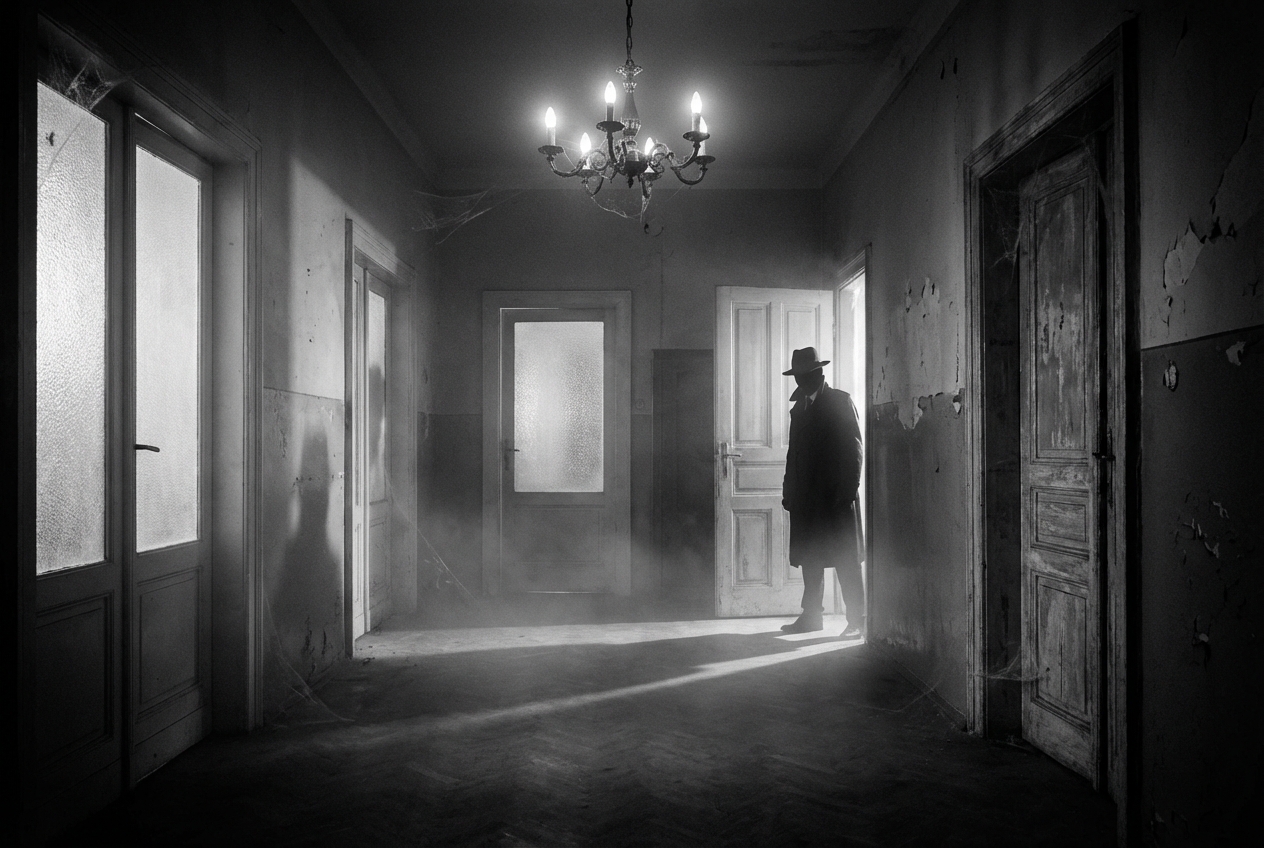
Freud vs. Jung on the Shadows of the Night
The Anatomy of the Chase
The sensation of running with heavy legs while a mysterious figure gains on you is a universal nightmare. While it feels terrifying, psychology suggests that the pursuer is not an external threat, but a projection of your own psyche.
Sigmund Freud: The Return of the Repressed
To Freud, being chased often represents a "forbidden desire" or a traumatic memory that you are trying to outrun. The pursuer is a manifestation of your Super-Ego or a repressed impulse. In this view, your dream is an internal conflict between what you want to do and what you feel you "should" do. You are not running from a monster; you are running from a part of your past.
Carl Jung: The Shadow Seeking Recognition
Jung offered a more constructive view. He believed the pursuer is often your "Shadow"—the parts of your personality that you haven't integrated or accepted (like your suppressed anger, ambition, or creativity). From a Jungian perspective, the monster chases you because it wants you to turn around and face it. The chase only ends when you stop running and ask the pursuer: "What do you want?"
Why Do We Run?
Modern psychology suggests these dreams occur during periods of major life transitions or high stress. The dream is an emotional rehearsal, forcing you to experience the feeling of "avoidance" so that you might address it in your waking life.
Facing Your Shadow
Next time you wake up from a chase, don't just feel relieved that it's over. Ask yourself: What quality does that pursuer have that I lack? Use our AI Psychology Assistant to map the connection between your dream shadow and your daily life.
Want to understand your dreams?
Use our AI Dream Decoder to explore your subconscious world
Start Decoding